
Blog

Healthier Skin Through Diet and Exercise

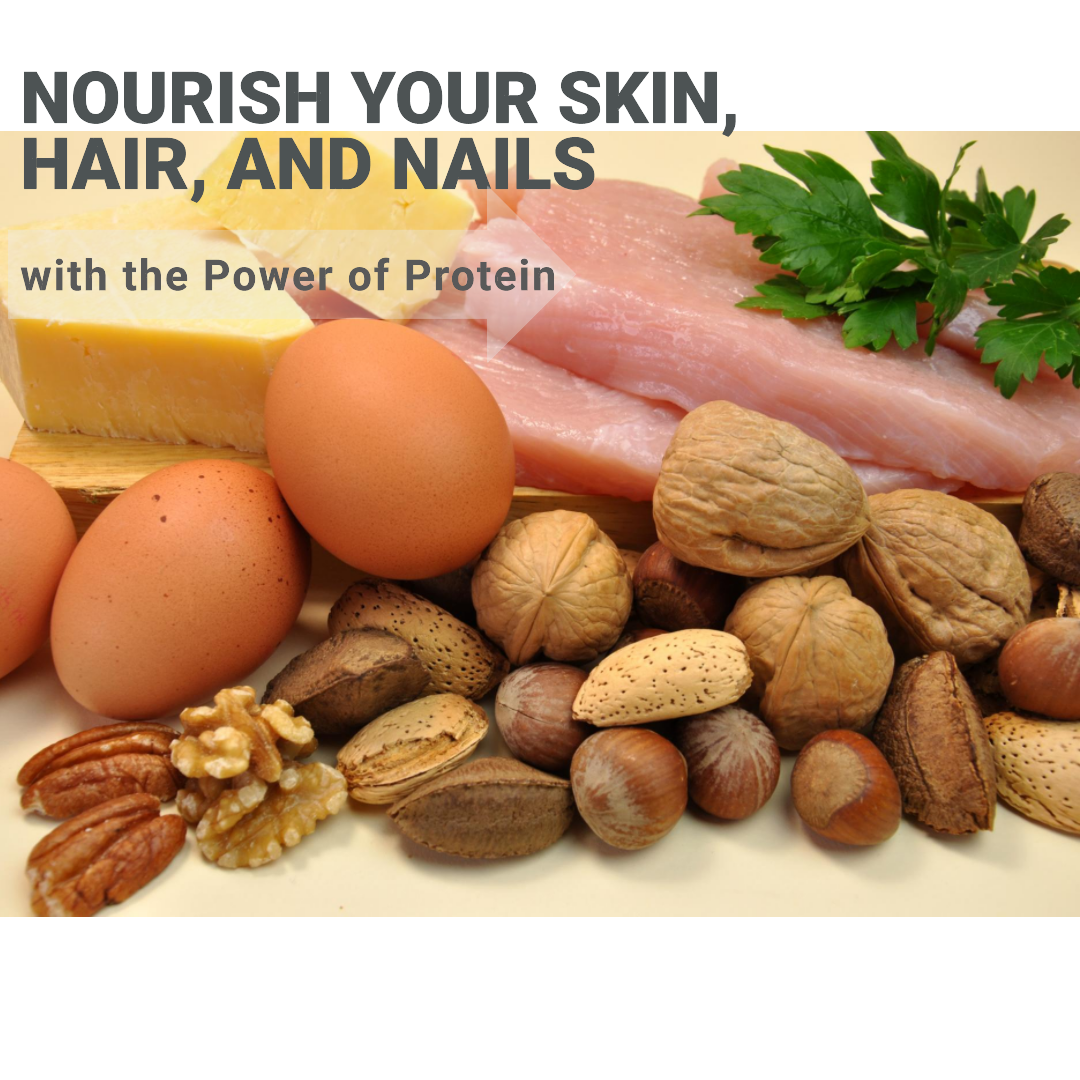
There has been controversy as to how much does diet and exercise really affect your skin, hair and nails. It is true, when you eat right, the chances of having better-looking, clearer skin, healthier hair and nails is greater. Improving your diet just by adding a few items can make all the difference in your skin’s quality. Having a certain amount of healthy fats in your diet can lead to glowing skin however it is important to understand the difference between good fats and bad fats. Fats have a bad stigma; many people correlate them with weight gain and health problems. There are fats you should avoid including daily servings of in your diet such as saturated fats and trans fats that can be found in processed foods, cakes, cheeses, and any fried or greasy foods. Not only are these fats difficult to digest, but they also raise blood cholesterol concentrations which contributes to clogged arteries that block the flow of oxygen-rich blood to the heart and brain. But good fats, polyunsaturated fats are vessels for vitamins A, D, E, and K- also known as fat-soluble vitamins- making it easier for them to travel around the body. You can find these fats in salmon, trout, avocados, nuts, olive oil and other omega-3 fatty acids. Certain vitamins, minerals and proteins are also significantly important supplements to the health and quality of your skin. Vitamins C and E for example, have anti-aging properties and can reduce skin cell damage, while the lack of vitamins B and A, your skin will look noticeably unhealthy. The combination of good fats to help transport the necessary vitamins, and making sure those necessary vitamins are made available for your body to [...]

Non Surgical Fat Removal vs. Liposuction: What’s the difference?

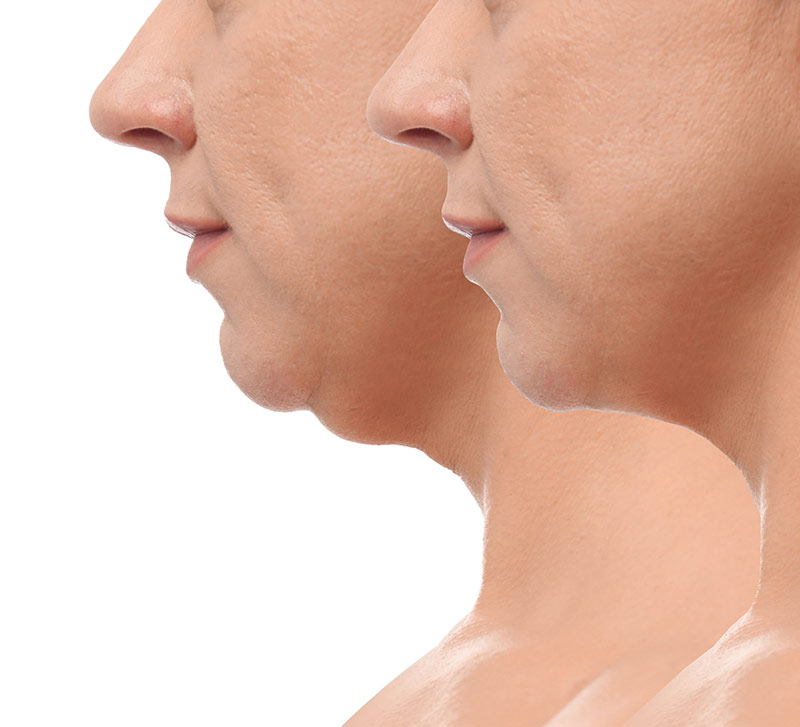
Do you have fat pouches that you can’t seem to get rid of? Wish you could just have your love handles disappear? Make your inner thighs stop from toughing? Even erase bra-line fat? Most women accumulate fat in these places and have found them stubbornly exercise resistant.  For men, the stomach and back pose the most problems because that’s where most of the fat tends to deposit. Liposuction has been the gold standard of fat removal for years. But because it is an invasive procedure, a certain amount of downtime must be reserved after surgery. Liposuction is a surgical technique used to remove excess fat from deposits between skin and muscle. After general anesthesia is administered, small incisions are made across the area and a small tube is inserted. A suction pump is connected and gently removes the fat from the incisions, making the total operation lasting between 30 to 60 minutes depending on the patient’s cosmetic goals. For those that are surgically averse, New York City Dermatologist, Dr. Cameron Rokhsar can provide many effective alternatives to fat reduction. Lasers such as Liposonix and UltraShape administer ultrasound waves into the fat cells which are then released into the fluid between the body’s membrane. The body then naturally passes the fat through a digestive process, allowing results to progress overtime. These non-invasive procedures manipulate fat cells through the skin without harming any other tissue and then use the body’s natural processes to move the fat out of the body safely. CoolSculpting is another option that relies on research that has found fat cells are more vulnerable to the cold than other cells. Extreme cold temperatures are administered through cooling plates which are then placed over the [...]

Waxing, Shaving or Laser Hair Removal?

The benefits of laser hair removal far exceed the temporary and painful cycles waxing demands. You will see a significant reduction of about 85 to 90 percent embarrassing body hair or constant ingrown hairs by trying laser hair removal. Dr. Cameron Rokhsar utilizes the latest in laser hair removal technology by providing his patients with the ND:Yag laser. The laser sends a beam of heat energy into each individual hair follicle. Because your hair grows in cycles with periods of rest, t is important that the hair follicle be in the growing phase in order for it to be properly destroyed. Because hair grows in cycles, the number of treatments required to reach your cosmetic goals will depend upon your skin, hair color, coarseness and amount of hair present. It will take about three to six treatments spaced out every four to six weeks in order to treat the follicles and then repeated sessions when they re-enter the growth phase, but this will be dramatically slower than a normal growth phase by using routine shaving or waxing. The most popular and effective places to have laser treatments are the neck, forearms, upper arms, under arms, back, legs and bikini area. Those with dark course hair and light skin are the easiest to treat. Those with tans or who routinely go tanning must wait until their tan fades before being treated. New York Dermatologist Dr. Cameron Rokhsar is a leading authority in laser treatments, making him a reliable expert on hair removal. He has been featured on “NBC News Today” explaining the benefits of laser hair removal. “I think it’s the most permanent, the least painful,  and the most advantageous way to do hair removal,” Dr. [...]

What Causes Hair Loss?

The average person shed about 50 to 100 hairs a day. Hair loss on this scale is scarcely noticeable, if at all, considering there are over 100,000 hairs in the scalp. As people age hair gradually thins, but unfortunately for some, hormonal factors, medical conditions and medications could result in dramatic hair loss. Hormonal changes can cause an imbalance in a person’s chemistry. This could affect anything in the body, and hair loss has been noticed in those certain cases. Certain medical conditions that can cause hair loss are thyroid problems, alopecia areata, scalp infections, and other skin conditions that can cause scarring such as lichen planus and certain types of lupus. Medications that have been known to cause hair loss are treatments for cancer, arthritis, depression, heart problems, and high blood pressure. Causes of hair loss or general thinning have occurred from a physical or emotional shock, sudden or excessive weight loss, or high fever. There are hair pulling disorders that will cause the person to uncontrollably pull out their hair. Also known as Trichotillomania, this hair pulling disorder is typically found in women and categorized with Obsessive Compulsive Disorder (OCD) and can occur simultaneously. New York Dermatologist, Dr. Cameron Rokhsar can effectively diagnose and recommend a treatment route depending on the individual. Rogaine is a highly recommended topical treatment for hair loss. After administering in foam form onto the head, thinner and older hairs will shed for two weeks. The active ingredient, minoxidil will cause the hair follicles to increase in size, allowing for thicker hair to grow in the lost hairs place, which may take up to four months to reach desired results.

Mommies Deserve Makeovers!

A “Mommy Makeover” isn’t designed to change who you are, but instead to get you back to where you used to be. These are procedures designed to help restore you back to your pre-pregnancy physique, and New York City Dermatologist, Dr. Cameron Rokhsar is a specialist in working one-on-one with his patients to understand their cosmetic goals and to help them achieve those goals based on their body type. The most common procedures women undergo post giving birth are breast lifts, breast augmentations, breast reductions, tummy tucks, and liposuction. In some cases, the patient will choose to have several things done at once, however this approach is not right for everyone. The women best fit for undergoing a Mommy Makeover are women who have finished having children, finished breastfeeding, have an average and healthy weight, have exercise resistant fat, and those that can allow sufficient time for recovery. Fortunately, Dr. Rokhsar is a fellowship-trained laser surgeon and has an array of options for those that are surgery averse or don’t have time to commit to a long recovery. Instead of undergoing liposuction, a procedure that gently pumps fat out of small incisions made in the skin while the patient is under general anesthesia, Dr. Rokhsar can provide his patient with LipoSonix, a non-surgical alternative. The way it works is it uses ultrasound technology to create a powerful thermal effect that focuses at specific depths in fatty layers, safely destroying fat without damaging surround tissue all within a one-hour session. CoolSculpting by Zeltiq is another effective non-surgical procedure that uses extreme cold temperatures emitted through cooling plates to target fat cells. Because fat cells are more vulnerable to cold temperatures than any other cell, the fat [...]

Differences Between the Most Common Skin Cancers: Basal Vs. Squamous Cell Carcinoma

Basal Cell Carcinoma and Squamous Cell Carcinoma are two of the most common skin cancers and it is important to know the differences between the two. As the number one most common form of skin cancer, Basal Cell Carcinoma is found most often on, but not limited to sun-exposed areas of the skin such as the head, face, neck and shoulders, and may look like an open sore, reddish patch, or waxy growth with an elevated border and slight indentation in the center. Squamous Cell Carcinoma is the second most common form of skin cancer and also occurs most often on sun-exposed skin, but can be distinguished from Basal Cell Carcinoma because it appears as scaly red patches with irregular boarders. It can also appear as a wart-like growth or an open sore. This form of cancer can bleed easily if irritated or disturbed because of how sensitive and delicate the skin becomes in cancerous areas. People with physical characteristics denoted from their genetics with light or freckled skin, light eyes or hair, or those that have difficulty achieving a tan have an increased risk of developing either Basal Cell Carcinoma or Squamous Cell Carcinoma. As a fellowship-trained skin cancer surgeon, Long Island Deramologist Dr. Cameron Rokhsar has an expertise in treating skin cancer through Mohs micrographic surgery. Mohs surgery is a highly effective and precise treatment for not only Basal and Squamous Cell Carcinoma, but also has a 99 percent cure rate for certain tumors. Because of Dr. Rokhsar’s specialized training in cosmetic surgery, he strives for minimal scars through advanced closure techniques and superior attention to detail for facial creases.

Treating Burn Scars (1st, 2nd, 3rd degree)

Burns scars are arguably the most difficult scars to treat. Burns often leave raised and discolored scars that, depending on the severity, will leave a permanent scar behind. Burns are categorized into three stages of damage. Fire, steam, hot liquids, radiation, electricity, chemicals, friction, heated objects, or sun exposure can all cause burns. The most common kind of burns are thermal which can occur when the skin comes into contact with flames, hot metals, scalding liquids or steam. A first-degree burn is considered the most mild and least invasively damaging. They result in pain and reddening of the epidermis- the outermost skin layer. These scars can usually be effectively treated with aloe vera cream or antibiotic ointment. A second-degree burn affects not only the epidermis, but dermis, which is the layer underneath. This will result in pain, redness, swelling and blistering. This can also be treated with antibiotic creams, ointments or prescription medications. A third-degree burn goes even deeper than the epidermis and dermis. It damages the tissue beneath and will appear white, blackened and charred that may have damaged nerve cells to the point of numbness. These are the most difficult to treat. Under these circumstances, the person suffering from a third-degree burn should seek medical attention and will have to attend to the scar’s healing process with advice from a specialist, like Dr. Rokhsar. If a burn is severe enough, the skin may have a hard time repairing itself because of the extensive tissue damage, or if it repaired itself an uneven and misshapen scar will be left. A skin graft can be done. This involves taking skin from one area of the body and placing it in the damaged area. Dr. Rokhsar [...]

Best Non Invasive Treatments for Wrinkles

Aging is inevitable. Wrinkles are the first signs of aging. With age lines between your eyebrows, near your eyes and around your mouth are all ways the body reveals aging. Fortunately for those that are surgery averse, Dr. Rokhsar is an expert in treating wrinkles and provides many options to wrinkle reduction and skin smoothing.  Depending on the patient’s skin type, different approaches to wrinkle reduction such as Botox, fillers, light therapy and laser are available. One of the best and most effective tools for ridding of wrinkles is the Fraxel laser. Dr. Rokhsar has trained more physicians on the use of Fraxel laser for fractional resurfacing in the world than any other physician. The laser works by treating microscopic sections of the skin at a time, stimulating collagen production which creates a tighter and less wrinkled skin appearance. Collagen is the key protein in the skin structure. The more collagen production is encouraged, the more youthful the skin appears to be. There is no one best way to treat wrinkles. Instead, it is completely dependent on many factors such as the location of the wrinkles, the amount, the depth, medical history and the level of cosmetic results you wish to achieve. Botox has been another effective tool in approaching wrinkle maintenance. Botox is a purified paralytic neurotoxin that blocks the transmitters from making deep muscle contractions in the face. This does not prevent you from making facial expressions, it just stops your face from making muscle contractions deep within the skin that ultimately cause harder to treat wrinkles. The face smoothes out and creates a more youthful expression. New York City and Garden City, Long Island based Dermatologist Dr. Cameron Rokhsar is a pioneer [...]

Overwhelmed By the Amount of Skin Care Products Available?

There are so many options for face cleansers today it can be overwhelming with trying to decide which is right for your skin type. Cleansers are important in improving the health of your skin by keeping it fresh and renewed. In order to pick the right type of cleanser for your skin, the following questions should be considered: Is the cleanser too dry or stripping? Does the cleanser clean well by effectively removing makeup, sunscreen and sweat? Does it have any bad ingredients such as sodium lauryl sulfate (an ingredient that can dry out the skin), alcohol or titanium dioxide (Ti02)? It is recommended to wash your wash no more than twice a day, once in the morning and once in the evening. For gym-goers it is important to wash your face again after working out in order to remove all the buildup of oil and sweat. Cetaphil is the gentlest form of skin cleanser you can find besides plain warm water. A good cleanser will wash away dirt and dead skin, but not harm the new and healthy layer of skin beneath. The “bad” ingredients listed above aren’t necessarily ones that you need to avoid all together when choosing a skin care product, but if they are at the top of the ingredient list, it means there is a greater amount of that ingredient in the product. It is best to avoid too much sodium lauryl sulfate, alcohol or titanium dioxide. Many people use two different cleansers, depending on which time of the year it is. Some people use lighter, less harsh cleansers during the winter when their skin is prone to dryness. A stronger cleanser is usually used during more humid summer months, [...]

Damaged Your Skin This Winter? Spring Into Healthier Habits

Cold winter weather affects your skin in several different ways. Understanding how your skin reacts to the cold can only help you avoid it happening again next season. Dry skin is the most common result of seasonal weathering. The cold air lacks humidity, which results in drying up the natural oils in your skin and losing moisturizer. The uncomfortable dryness can lead to an itchy cracking effect on the face, hands and feet. For some flaking and even eczema can be a result of the wintry weather. Cold winds during the winter can also result in chapping and windburn. Staying inside to avoid the cold weather can be just as bad, Indoor heating systems provide dry air as well, causing your skin to suffer wherever you go. Winter weather not only damages healthy skin, but also worsens any preexisting skin conditions you may already have such as dandruff, psoriasis or eczema. The key to keeping the skin healthy and free from cracking is moisturizing. Keeping the skin moisturized with a cream or lotion-based cleanser is the way to avoid worsening any skin conditions you already have, or creating new problems from yourself. For those that are 30 or older, it is important to also exfoliate the skin often before moisturizing. As the skin ages, it will need help to remove all the skin that naturally falls off on its own. Once the dead skin is removed, the moisturizer is applied and helps it to rejuvenate itself which will encourage healthier skin cells to produce. Moisturizing with SPF in the daytime is also important. Keeping the skin protected at all times no matter the season is essential to good skin care. While being more active during [...]